
Ceara Wind and Waves: What to Expect

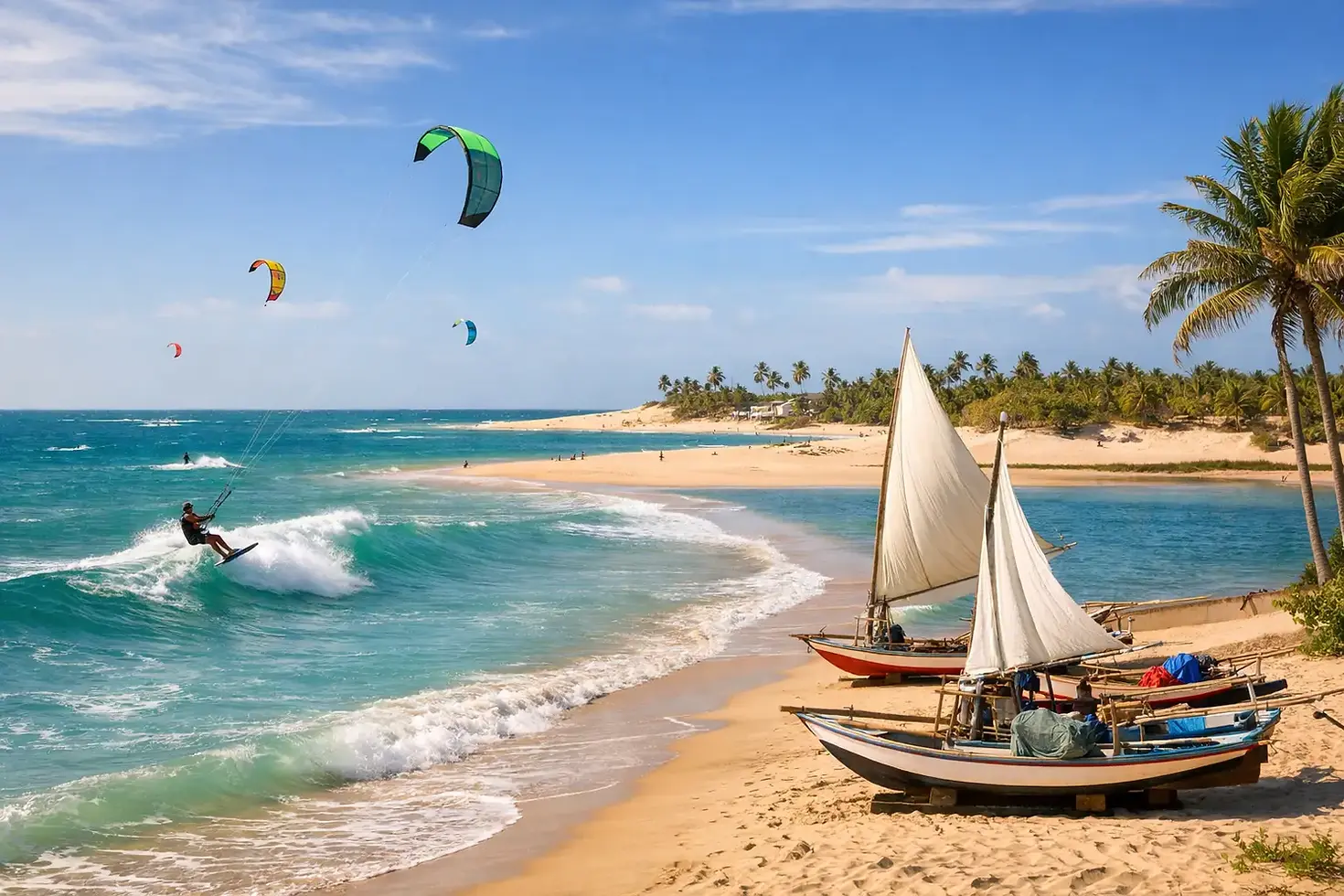
The first thing most people notice here is not the view - although that helps - but the feeling. Ceara wind and waves give the coast a kind of daily rhythm. Mornings can be glassier and gentler, afternoons start to hum, and by late day the breeze has turned the sea into a playground for kiters, surfers and anyone who simply wants to be outside from breakfast to sunset.
If you are planning a beach holiday with more purpose than lying on a lounger for a week, that rhythm matters. It shapes when you ride, when you rest, what sort of board to bring, whether beginners will feel comfortable, and why some stretches of coast suit families just as well as experienced water people. In Taiba, that mix is exactly the appeal. You are not choosing between a surf trip and a relaxing stay. Done properly, you get both.
Why Ceara wind and waves stand out
Ceara has built a strong reputation with kitesurfers for one simple reason: the wind is reliably good when much of Europe is not. But the coast is not only for high-wind sessions and advanced riders. What makes this part of Brazil special is the balance. You get warm water, long beaches, plenty of sun, and sections of coastline where the sea can offer anything from playful waves to proper surf depending on the season.
That balance is especially valuable for mixed groups. One person may want lessons, another may want wave sessions, and someone else may be happiest with a swim, a pool and a slow lunch on the terrace. Ceara works because all of that can happen in the same day without anyone feeling like they picked the wrong destination.
There is also a practical side. Wind quality is one thing. Wind quality with easy beach access, local support and room to recover after a session is another. The best trips are rarely about conditions alone. They are about how easy it is to enjoy them.
The seasons that shape the coast
When people ask about conditions, the honest answer is always: it depends what you want.
For surfing, the best-known season runs from January to March. This is when the region comes alive for surf travellers who want more push in the swell and a coastline with real energy. It is also when Brazilian and local championships add to the atmosphere. If your ideal trip involves watching good surfing one day and paddling out the next, this window is a strong one.
From December to March, the combination of wind and wave becomes especially attractive for travellers who do not want to commit to just one discipline. This is a brilliant period for the mix of surfing, SUP and kitewave. You can wake up and read the conditions rather than forcing the day into one plan. If there is enough breeze for kiting, great. If the waves are the better call, you have that option too.
Outside those months, Ceara still draws visitors for its beaches and outdoor lifestyle, but the exact character of each day changes. That is why local advice matters. A forecast on your phone will tell you one story. Someone who knows the beach, the lagoon, the tide and the way the wind fills in through the afternoon will tell you the useful version.
What kind of rider or surfer suits this coast?
Beginners are often surprised by how manageable this area can be when they have the right support. The idea of strong wind sounds intimidating until it is matched with suitable spots, good instruction and a plan built around your level. Learning is much easier when the conditions are consistent enough for you to practise rather than wait around.
Intermediate riders tend to love the progress factor. Reliable wind means more time on the water and fewer frustrating days lost to weak sessions. If you are working on transitions, riding upwind or your first wave approach, repetition helps more than heroics.
Advanced riders usually come for the same reason everyone else does, then stay longer because there is range. Some want lagoon sessions, some want downwinders, and some want to time their trip around wave conditions. Ceara gives them choices rather than a single-note experience.
For surfers, the appeal is similar. You can enjoy a proper surf-focused trip in season, but the wider destination still feels open and relaxed rather than crowded around one break. That matters if you are travelling with a partner, family or group who may not all want to surf all day.
Ceara wind and waves for a proper beach stay
The best holidays here are built around convenience. Not luxury for its own sake, but the kind that actually improves the trip: waking up close to the water, having space for wet kit, not spending your day stuck in transfers, and being able to shift from action to rest without effort.
For families and groups, that usually means a house rather than separate rooms. Space changes the mood of a trip. You can have breakfast together, spread out when needed, and keep the day flexible. If one group heads out early for a session and another wants a slower start, nobody is on top of each other.
It also helps when the stay supports the sport rather than merely tolerating it. Riders need storage, easy beach access, local knowledge and honest guidance on conditions. Non-riders need comfort, shade, food and a sense that they are also on holiday, not simply accompanying someone else’s obsession.
That is one reason Taiba works so well. It offers enough energy for active travellers without losing the slower, barefoot feel people are often searching for when they choose Brazil in the first place.
Why Taiba works so well for mixed trips
Taiba is one of those rare places that makes group travel easier. The beach lifestyle is real, the wind has a solid reputation, and spots such as Lagoa da Taiba give riders more than one way to enjoy the day. If conditions on the open water are lively, the lagoon may suit a different session. If surf is the better option, that can shape the plan instead.
This flexibility matters more than many travellers realise when they book. Forecasts change. Energy levels change. Some days you want a long water session, other days you want a massage, fresh fish and an easy evening with salty hair and no agenda at all.
That is where a hosted stay makes a difference. At Kite & Sol Beach House, the appeal is not only the beachfront setting or the comfort of a five-bedroom house with a pool and terrace. It is the way the practical pieces can be organised around the stay as well - lessons, rentals, trips, repairs, breakfast and even special meal occasions with local flavour, from coco shell barbecued fish to a house visit for massage or physio after a heavy session.
Planning around wind, waves and comfort
If your main priority is kitesurfing, pack with the expectation of regular wind and be ready to adapt your board choice to your style. Freeride travellers may want one setup, while anyone eyeing wave sessions should think carefully about what they enjoy most. If your goal is progression, it is often better to bring less and use local advice well than to overpack and second-guess every session.
If your focus is surfing, timing matters more. January to March is the obvious window, especially if you enjoy a coastline with a bit of event buzz and better-known surf energy. For travellers who want options, December to March is especially attractive because it leaves room for crossover days.
For couples, families and non-riding friends, the secret is not to over-plan. Choose somewhere that makes active days easy, then leave space for the pleasures that turn a sports trip into a proper holiday: a quiet morning coffee, a swim before breakfast, long lunches, sunset on the terrace, and enough comfort that everyone is still smiling by day five.
That is really the charm of this coast. Ceara wind and waves are the headline, but the best part is what they make possible. They create a destination where sport feels natural, rest does not feel wasted, and each day can be shaped around the conditions rather than forced against them. If that sounds like your kind of trip, you will probably settle in faster than you expect.


Comments